The first month after gastric band surgery
Immediately after the gastric band is fitted, the stomach cavity narrows, slowing the passage of food through the stomach. Since patients may find it difficult to break old habits and follow a new diet during the first few days after surgery, they need to spend the following 2–3 days at the clinic under the supervision of specialists. Our doctors monitor patients’ eating habits and advise them on how to establish a new eating routine. Initially, only water should be consumed after surgery, gradually introducing infusions, purées and plain yoghurt. We recommend avoiding sweetened yoghurts, as their sugar content may be too high, which can affect the results of the operation and slow down weight loss. All other beverages should also be checked for their sugar content. Carbonated drinks should also be avoided to prevent irritation of the stomach walls.
The first few days after surgery are the most difficult, but within a couple of days, the body adapts to smaller portions of food, enzyme production slows down and excessive appetite disappears. By the time patients are discharged, they are already able to manage their eating habits independently without difficulty. During the first month after gastric band surgery, patients lose 6–8 kg of excess weight, mainly by carefully following their dietary recommendations during the first few weeks after the procedure. From the third week onwards, patients can cautiously begin introducing more solid foods, as by this time the stomach has settled and the patient has recovered from surgery.
You can eat everything, but in small portions!
Very soon after surgery, you can eat whatever you like, provided that one very important condition is met – food must be chewed thoroughly! It is said that every mouthful should be chewed 32 times, but how many of us actually do this? The gastric band teaches patients to savour every mouthful and chew their food thoroughly. It encourages them to leave overeating behind. You can eat everything, but in small portions! Another important piece of advice is not to prolong meals – each meal should take 20–30 minutes. This is the amount of time needed for patients to consume an appropriate quantity of food. For patients who have undergone gastric band surgery, the optimal portion size is approximately ⅓ of that of the person sitting next to them at the table. However, if patients set themselves the goal of eating as much as everyone else, they could achieve this by spending 3–4 hours at the table. Our nutrition consultant explains to all our patients how they should eat after surgery, but everyone must manage their own eating habits.
Gastric band surgery and alcohol
The consumption of alcoholic beverages should also be reduced or, preferably, avoided altogether, as they contain a surprisingly large number of calories. Alcohol consumption is also associated with most cases in which patients are disappointed with their surgical results and are unable to lose excess weight within the expected timeframe.
Gastric band surgery and dietary supplements
Depending on the amount of food consumed, dietary supplements should be taken as necessary. During the winter months, we recommend taking vitamin D. In general, however, after the gastric band has been fitted, the body remains capable of absorbing all the necessary vitamins and minerals from the food consumed.
Christinas Clinic nutrition consultant Anna Romanova advises:
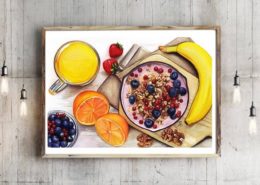
“After the gastric band has been fitted, weight loss occurs as a result of an energy deficit caused by smaller portion sizes. As the amount of food consumed decreases, so does the intake of essential micronutrients and macronutrients, which is why proper nutrition is particularly important. It is important to maintain a balanced and varied diet – choose something different every day, while prioritising fruit and vegetables, wholegrain products, legumes and fish. To avoid excessive consumption of saturated fatty acids, remember to monitor the fat content of dairy and meat products and, where possible, partially replace them with protein-rich plant-based foods (tofu, legumes, plant-based milk alternatives, etc.). To prevent protein deficiency, it is advisable to begin meals with protein-rich foods. Sugary drinks, alcohol and sweets should be avoided, as they contain so-called empty calories and hinder weight loss. To better control the composition of your meals, it is preferable to prepare your own food (when eating out, we generally do not know how much salt, sugar and preservatives our portions contain). Remember also to drink water between meals (we very often mistake thirst for hunger) and to stay physically active – even 30 minutes of physical activity a day will boost metabolism, support weight loss and improve your mood.”
If necessary, our nutrition consultant will help you create a varied and nutritionally balanced meal plan and recommend dietary supplements.

 https://www.christinasclinic.ee/wp-content/uploads/sigrid_cc_thumbnail.jpg
729
1388
cc
https://www.christinasclinic.ee/wp-content/uploads/Christinas-Clinic-LOGO.png
cc2024-06-30 09:06:462025-10-07 15:40:24Two Years Later: Sigrid’s Journey After Abdominoplasty