Type 2 diabetes is a chronic disease that is generally associated with excess body weight. According to the latest scientific research in this field, bariatric surgery is an effective method for both preventing and treating this disease.
Surgery is the most effective method of treating diabetes
The main objective in treating diabetes is to keep the patient’s blood sugar levels under control. Although a complete cure for type 2 diabetes is not possible, medication and insulin injections can help protect the body from further complications. As obesity is a primary risk factor for this disease, patients are advised to adopt a healthy lifestyle and carefully monitor their weight. Unfortunately, not all patients are able to follow these recommendations.
Research conducted at King’s College London and the Catholic University in Rome has shown that bariatric surgery can help achieve long-term results in the treatment of type 2 diabetes. During these studies, researchers monitored patients, 50% of whom received medication, while the remaining 50% underwent bariatric surgery.
Over a five-year period, symptoms significantly improved in 50% of the patients who underwent surgery, with some achieving remission. Unfortunately, none of the patients in the group receiving medication achieved remission. All patients who underwent surgery also experienced a reduction in their glycated haemoglobin levels. These findings confirmed the effectiveness of bariatric surgery in treating diabetes compared with conservative treatment methods.
Radical surgical procedures can lead to complications
Dr Ants Viidalep from Christinas Clinic believes that gastric bypass surgery is one of the most effective methods of treating type 2 diabetes. However, it should be taken into consideration that this is a relatively radical solution to the problem.
“When 90% of the stomach and 1.5 metres of the small intestine are bypassed within the digestive system, certain complications inevitably arise. The body is unable to absorb all the nutrients and vitamins it needs, which in turn reduces neurotransmitter activity. This can lead to a stress-related predisposition to illness, depression and episodic psychotic disorders, particularly under the influence of alcohol.”
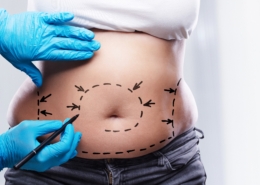
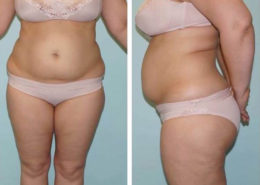
Dr Viidalep also draws attention to the fact that the greater the weight loss, the more likely patients are to experience problems with excess skin. A patient whose body mass index (BMI) is approaching the dangerous level of 40 or above may, following gastric surgery and a reduction in BMI to a healthier level of 28, require excess skin to be removed from all areas of the body.” Long scars are inevitable following such procedures, and patients who are prone to developing keloid scars should carefully consider undergoing this type of surgery.
Laparoscopic gastric banding helps prevent obesity-related diseases
The more severe the problems associated with obesity, the more difficult it becomes to help a person restore their health and achieve a healthy weight. According to Dr Viiklep, the earlier a person considers treatment, the less invasive the surgical methods required. Gastric banding is considered a highly effective method of treating excess body weight: “This method is more physiological, as it preserves the integrity of the gastrointestinal tract without causing disability.”
In this procedure, a silicone cuff or gastric band is placed around the upper part of the stomach, narrowing the stomach cavity and thereby regulating the rate at which food passes through it. The part of the stomach above the band expands, creating a feeling of fullness. The size of the band can subsequently be adjusted, allowing it to be tailored to the individual needs of each patient. This is particularly important in special circumstances, such as illness or pregnancy, when nutritional requirements increase. When the gastric band is no longer needed, it can be removed.
Dr Viiklep notes that bariatric surgery performed at the right time reduces the risk of developing type 2 diabetes by 80%: “This is why we accept patients with a BMI of 30 if we see that they are unable to keep their weight under control. If a patient has diabetes in addition to excess body weight, we recommend considering surgery from a BMI of 27.”
We advise patients to do everything possible to prevent the development of chronic diseases. However, if the opportunity for prevention has already passed, patients should try to avoid radical surgical interventions. In this context, gastric banding is an effective method for both preventing and treating type 2 diabetes.
Source: http://www.kansanterveys.fi/diabetes/lihavuuskirurgia-voi-olla-tehokas-ratkaisu-tyypin-2-diabeteksen-ehkaisyyn-ja-hoitoon


 https://www.christinasclinic.ee/wp-content/uploads/sigrid_cc_thumbnail.jpg
729
1388
cc
https://www.christinasclinic.ee/wp-content/uploads/Christinas-Clinic-LOGO.png
cc2024-06-30 09:06:462025-10-07 15:40:24Two Years Later: Sigrid’s Journey After Abdominoplasty